Long ago, the Maasai of Kajiado faced a great problem. The river that gave them water began to dry, not from the sun alone, but because people forgot the old ways. Some threw rubbish in the water, others cut the trees along its banks, and soon the once-clear river grew weak and dirty.
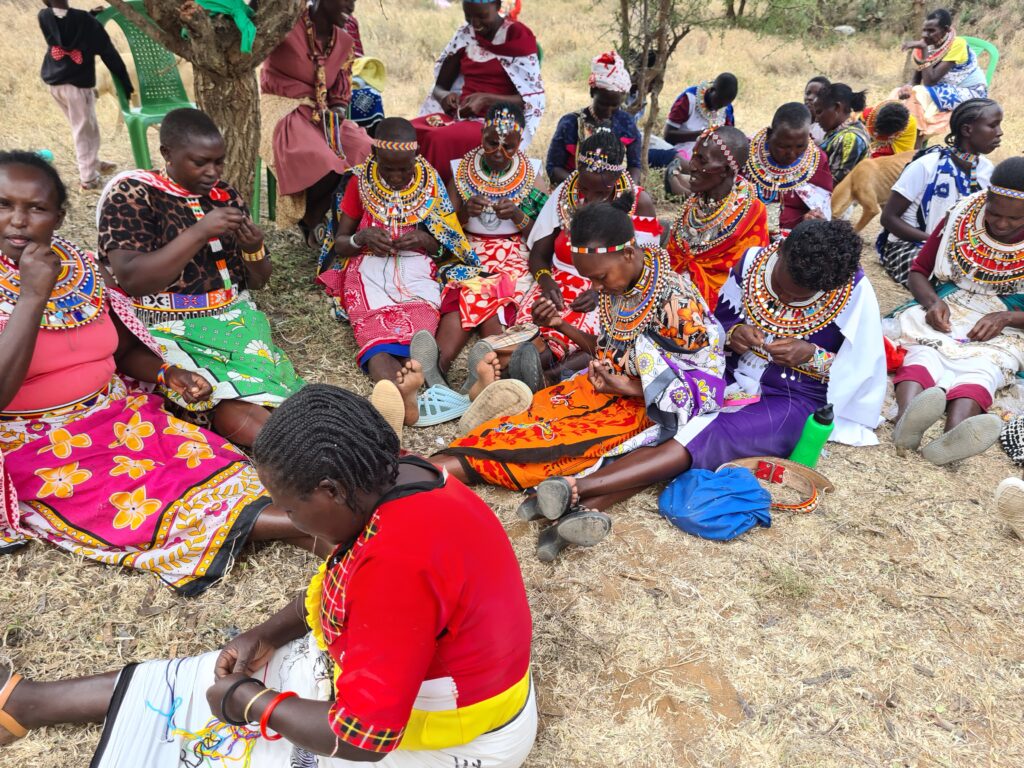
An elder woman named Nasieku, known for her beautiful beadwork, worried for her grandchildren. One evening, as she threaded beads of red, blue, green, and white, she spoke to the young girls around her.
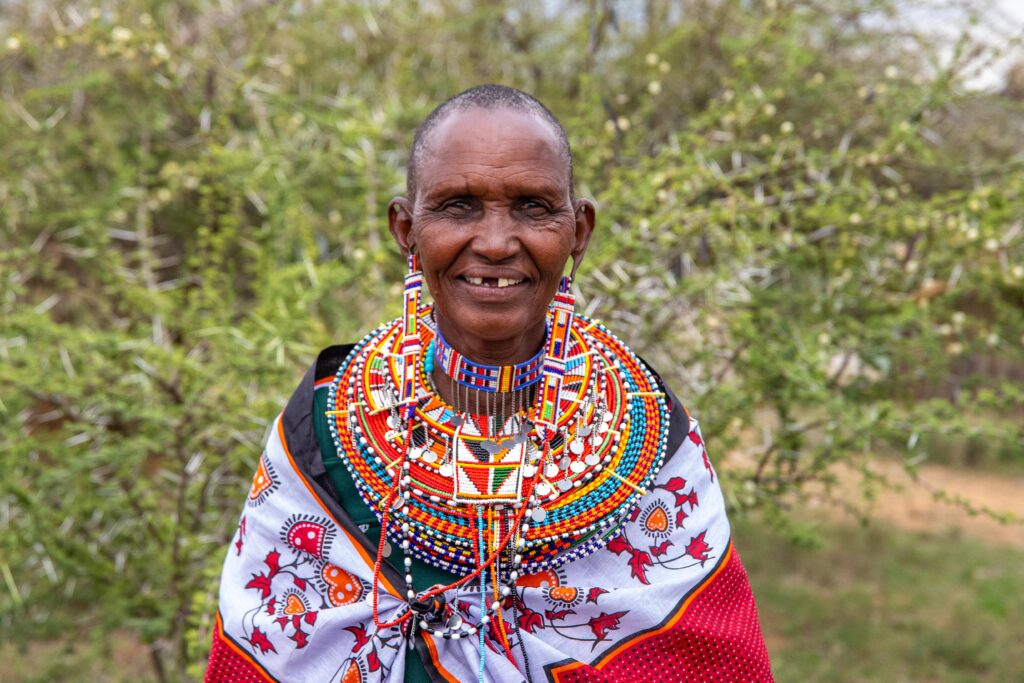
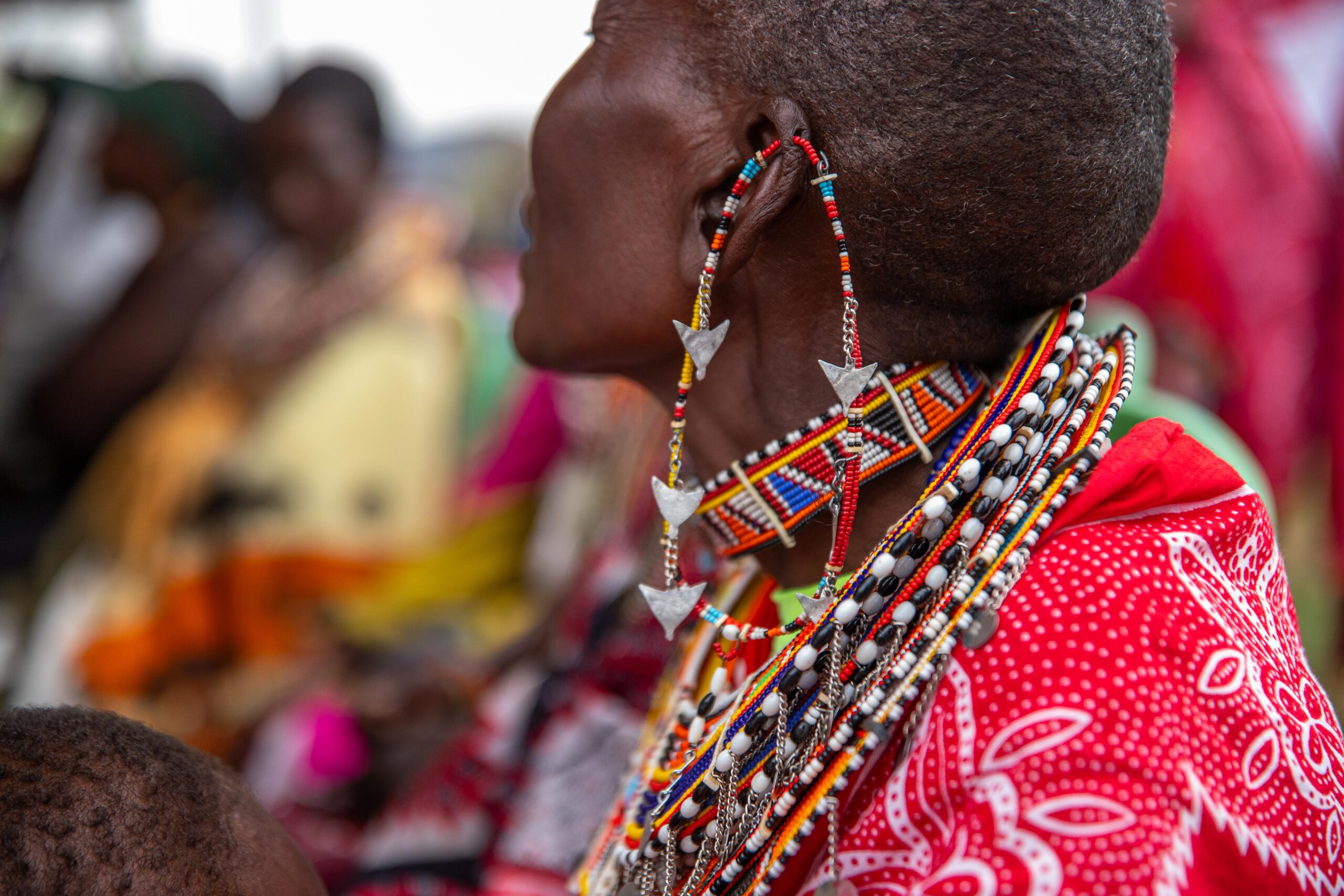
“These colors tell our story,” she said. “Red is the blood of our cattle, blue is the sky, green is the grass, and white is the milk. But where is the river? Without water, all of these colors fade.”
The girls listened, and together they added new beads of deep blue, weaving patterns that told of flowing rivers. They wore these ornaments to ceremonies and gatherings, and wherever they went, people asked about the meaning of the beads.
So the young girls explained:
“These blue beads remind us that the river is life. To protect it, we must keep it clean, plant trees on its banks, and never waste water.”
The message spread across villages. Soon, warriors joined river clean-ups, elders taught about water protection in councils, and women began wearing the blue-beaded necklaces as a pledge to safeguard the river.
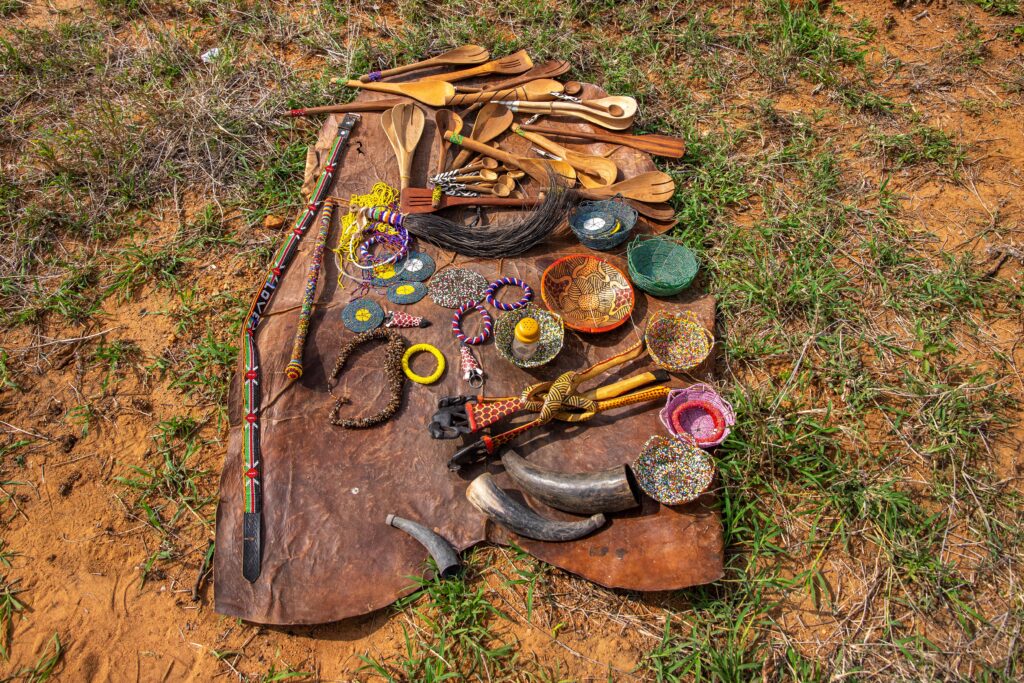
Years later, when rains returned and the river grew strong again, the people remembered Nasieku’s wisdom. The beadwork became not just art, but a living story proof that culture and conservation walk hand in hand.