

Long ago, in the lands of the Maasai, there was a river called Enkishui, meaning “the giver of life.” It flowed all year round, feeding the grass for the cattle, the wildlife in the plains, and the people who came to fetch water. Children played by its banks, and women sang as they filled their calabashes.
But the people grew careless. Some cut too many trees near the river, others let cattle trample the banks until they crumbled, and waste began to find its way into the flowing water. Enkishui grew weak.
One night, the river spirit appeared in the dream of an elder named Naserian. She was tall and shimmering, her hair flowing like water, her voice deep as thunder.
“People of the plains,” she said, “you have not respected me. I give you life, but you return with neglect. If this continues, I will hide myself beneath the ground, and your cattle, your children, and your land will suffer.”
The next morning, Naserian gathered the community beneath a large fig tree and told them the river’s warning. Many listened, but some laughed. “The river has always been here. It will never leave us,” they said.
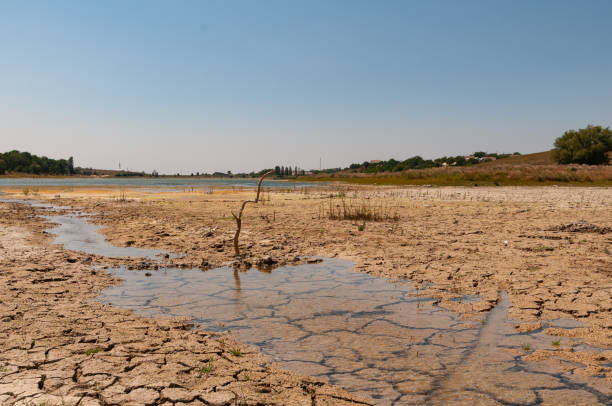
Seasons passed, and true to the spirit’s words, the river began to dry. The songs of women faded, the cattle bellowed with thirst, and the grass turned brown. People remembered the elder’s warning and feared that Enkishui had hidden herself forever.
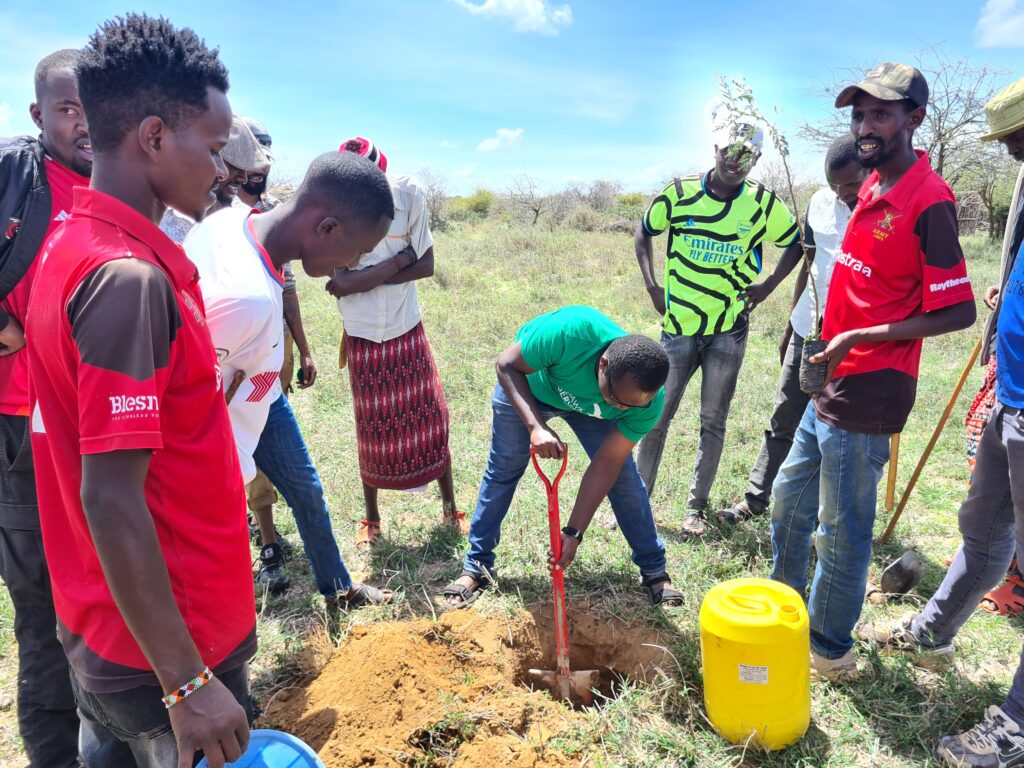
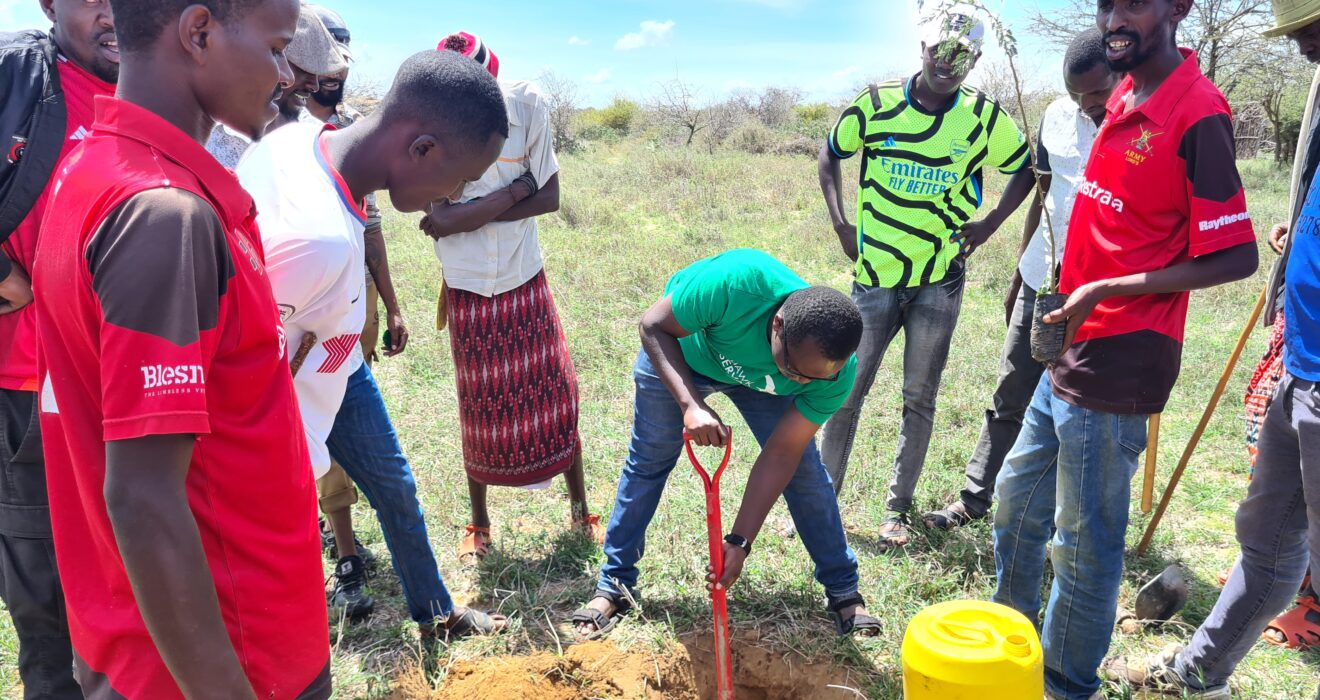
Naserian called for a great gathering. Warriors planted young trees along the banks, women cleared away waste, and children carried water to feed the new saplings. As they worked, the elder led them in a chant:
“Guard the river, guard the life,
The river guards us in return.”
Slowly, the river returned, trickling first, then flowing strong once again. Since then, Maasai elders tell this story to remind children that water is alive, and must be respected like a member of the community.